Agrochemical OEM & Private Label: How Contract Pesticide Manufacturing Works in 2026
TL;DR — A practical guide to launching your own pesticide brand through OEM manufacturing — molecule and formulation selection, packaging and label design, COA/MSDS documentation, MOQ and delivery terms from China.
In this article
- 01What OEM covers — and what it does not
- 02Step 1 — choose the molecule and the formulation
- 03Step 2 — formulation, packaging and label design
- 04Step 3 — samples, COA and pre-production approval
- 05Step 4 — production, quality control and delivery
- 06The documents a serious OEM order includes
- 07Five pitfalls that sink first-time own-brand launches
- 08Getting started with WECON
Launching an own-brand insecticide or crop-protection line no longer requires owning a plant. OEM — original equipment manufacturing — lets a distributor, importer or brand owner put their own label on formulations produced to specification by an established Chinese manufacturer. Done well, it converts a trading margin into a brand margin. Done carelessly, it produces a container of product that fails a registration dossier or disappoints in the field. This guide walks through how private-label agrochemical manufacturing actually works in 2026, step by step.
What OEM covers — and what it does not
A full-service OEM programme covers four things: selecting or matching a formulation, producing it to an agreed specification, packaging it under your brand, and supplying the documentation your registration and customs processes need. What it does not cover is the registration itself — the buyer is the registration holder in their market, and the manufacturer supplies the technical support documents the dossier requires. Anyone promising to "handle registration for you" end to end should be questioned closely; see our Turkey registration guide for what the applicant actually submits.
Step 1 — choose the molecule and the formulation
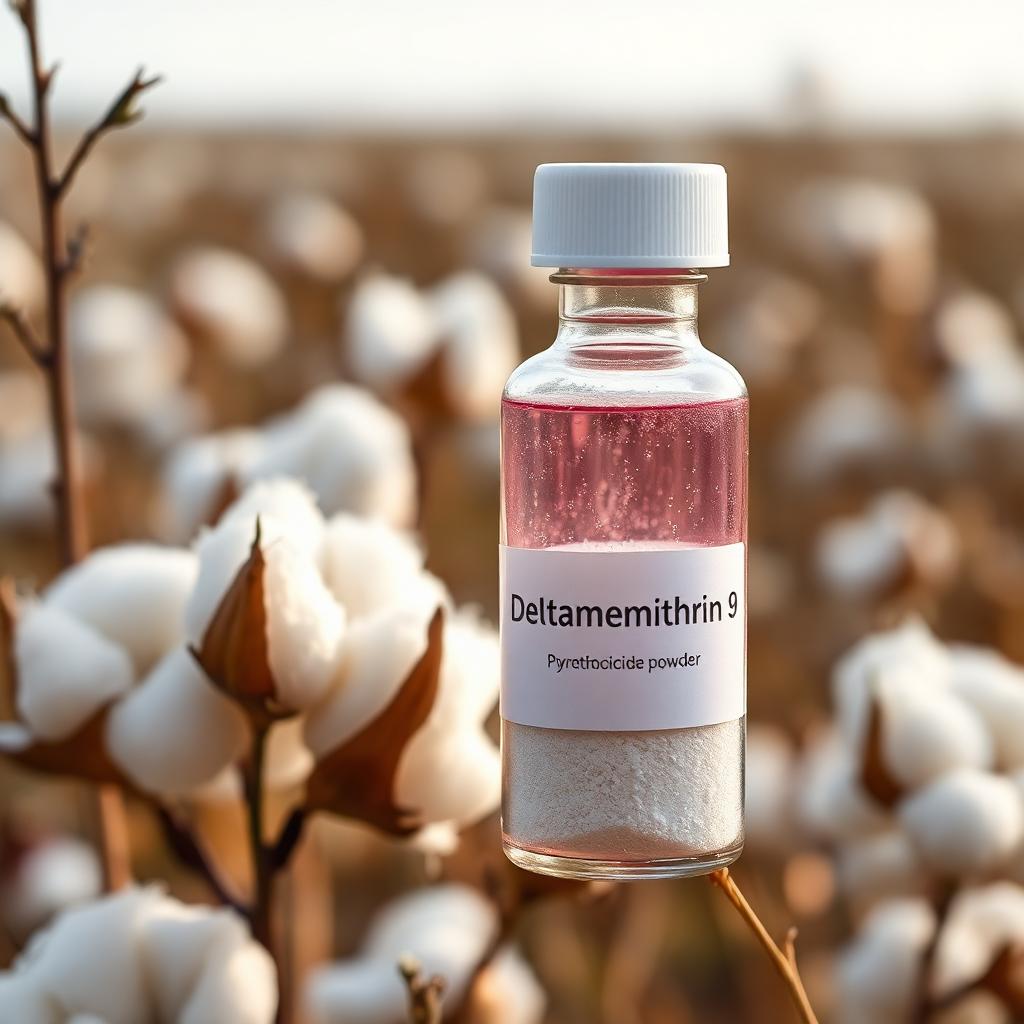
Most OEM projects start from a molecule you already know sells: acetamiprid, lambda-cyhalothrin, cypermethrin, deltamethrin, permethrin or one of the household actives. The formulation decision matters as much as the molecule. EC remains the cheapest and most familiar format; SC is the low-odour, low-solvent choice that professional and residential users increasingly demand; WG and WP dominate indoor residual spraying and water-dispersible programmes; SL suits herbicide and public-health sanitation uses. Our technical-grade catalogue lists the TC starting points, and each molecule page shows the formulation families it feeds.
Step 2 — formulation, packaging and label design
This is where your brand becomes a product. Standard packaging runs from 100 ml bottles to 20 L drums for liquids, plus sachets, water-soluble bags and mosquito coils for household formats. The label is the highest-risk item in the whole project: it must carry the correct active content, hazard pictograms, first-aid text, batch coding space and the destination country's wording — in your language. A label drafted for one market and shipped to another is the single most common cause of customs detention. WECON produces labels in Turkish, Arabic, English, French and other buyer languages as standard.
Step 3 — samples, COA and pre-production approval
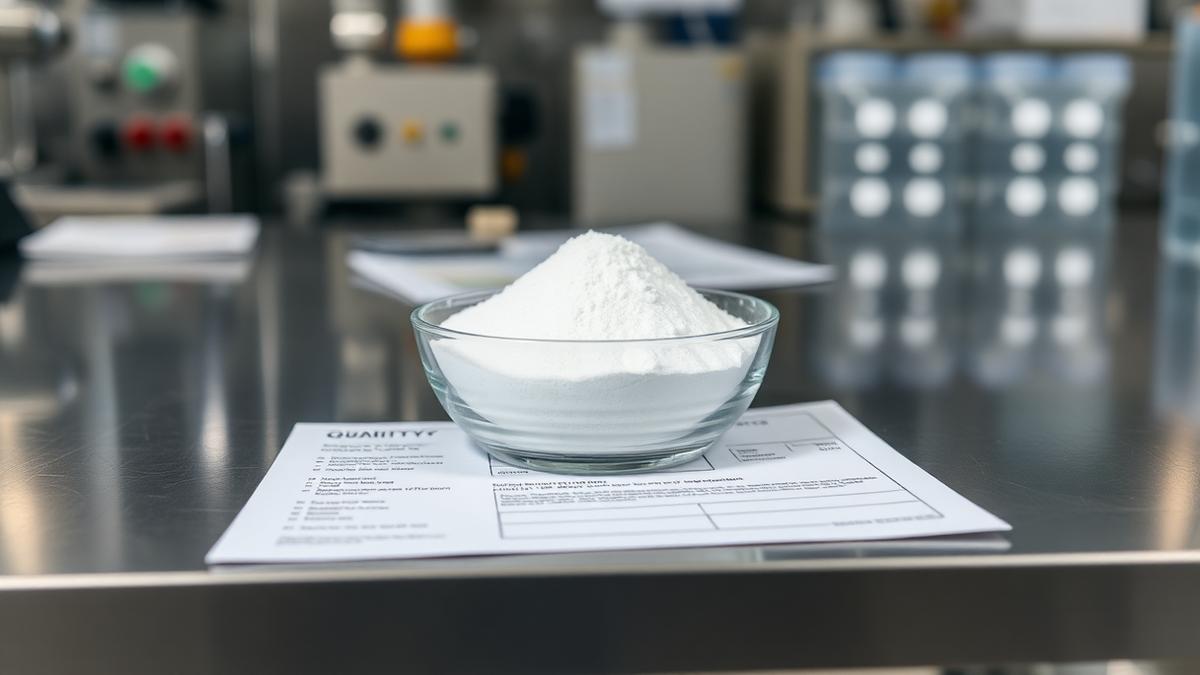
Never approve a production run on paper. The correct sequence is: sample submission against a written specification → your laboratory or field check → written approval → production. The documents that travel with the sample and the batch are what your registration file and your customers will ask for: a manufacturer COA, GHS-compliant MSDS in English and the destination language, five-batch analysis, and where relevant GLP toxicology summaries. Our supplier vetting checklist lists the full document set serious buyers demand.
Step 4 — production, quality control and delivery
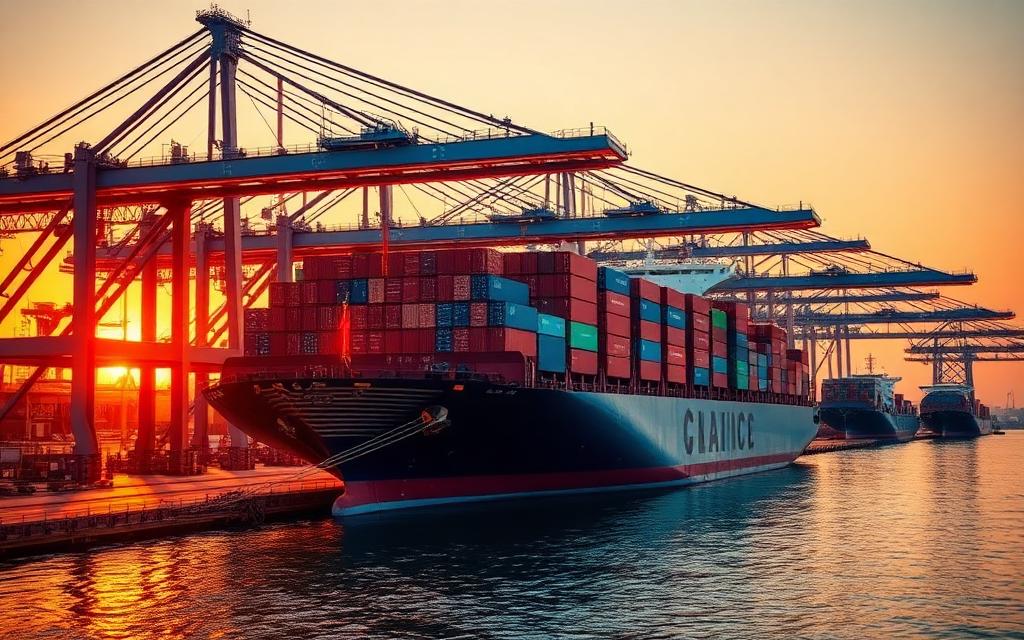
After approval, production typically runs 15–25 days, with packing and DG-compliant marking to follow. Ocean freight is Class 6.1 for most insecticide TCs and formulations, which limits carrier choice and makes forwarder experience part of the quality system. WECON ships FOB and CIF from Dalian, Shanghai and Qingdao, with the buyer's nominated forwarder equally welcome. Minimum order quantity for a private-label programme starts at one 20' FCL — smaller than a full container line but large enough to justify a dedicated production and packing run.
The documents a serious OEM order includes
Before you wire the deposit, agree the document pack in writing: COA per batch, MSDS in the required languages, five-batch analysis with impurity profile, stability data for the formulation, packing list with gross/net weights, DG declaration, and phytosanitary or origin certificates where the destination requires them. Anything promised verbally should be treated as not promised.
Five pitfalls that sink first-time own-brand launches
First, buying on active-ingredient price alone and accepting whatever formulation the factory has idle capacity for. Second, skipping label review against the destination regulation — see our dual-compliance note for Turkey for how expensive that mistake is. Third, under-specifying the sample stage and discovering a stability or odour problem after 1,000 cases are packed. Fourth, assuming "OEM" means the factory's QC applies to your order without your own pre-shipment inspection. Fifth, chasing exclusive formulations the factory cannot actually protect — proprietary chemistry claims from a commodity plant deserve skepticism.
Getting started with WECON
WECON runs OEM programmes for crop-protection and public-health brands out of tier-one Chinese plants — EC, SC, WG and SL formulations, packaging from 100 ml to 20 L, labels in your language, and the full COA/MSDS/5-batch document pack as standard. Send us your target molecule, formulation format, annual volume and destination market through the supplier hub buyer guide — it walks through exactly what to include in a first enquiry — and we will return a formulation proposal and quotation within 24 hours.
Frequently asked questions
What is the minimum order quantity for OEM pesticide production?
A private-label programme starts at one 20' FCL. Below that volume, dedicated production and printing rarely justify the run; smaller trial quantities are possible for existing formulations but not for a fully customised pack.
How long does a first OEM order take?
Sample submission typically takes 7–14 days, production 15–25 days after written sample approval, plus packing and ocean transit. A realistic first-delivery timeline is 45–60 days from specification sign-off, longer if a custom mould or label print run is needed.
Who handles product registration in my market?
The buyer registers the product and holds the registration. The manufacturer supplies the technical dossier inputs — five-batch analysis, impurity profile, MSDS, stability data, GLP summaries — that the application requires.
Can you print labels in my language and to my design?
Yes. Labels are produced to your artwork in Turkish, Arabic, English, French and other languages, with active content, hazard pictograms, first-aid text and batch-coding space checked against the destination market's requirements before printing.
Can you match an existing product's formulation?
Usually yes for commodity actives — provide the competitor label's active content and formulation type. We produce a counter-sample for your field testing rather than claiming an identical match, since small differences in solvent systems and isomer ratios show up in the field, not on paper.