The Agrochemical Supplier Vetting Checklist: 12 Questions Every Serious Buyer Should Ask in 2026
TL;DR — A practical 12-point checklist for vetting TC and formulation suppliers in 2026 — plant licenses, GLP data, impurity control, logistics and dispute posture.
In this article
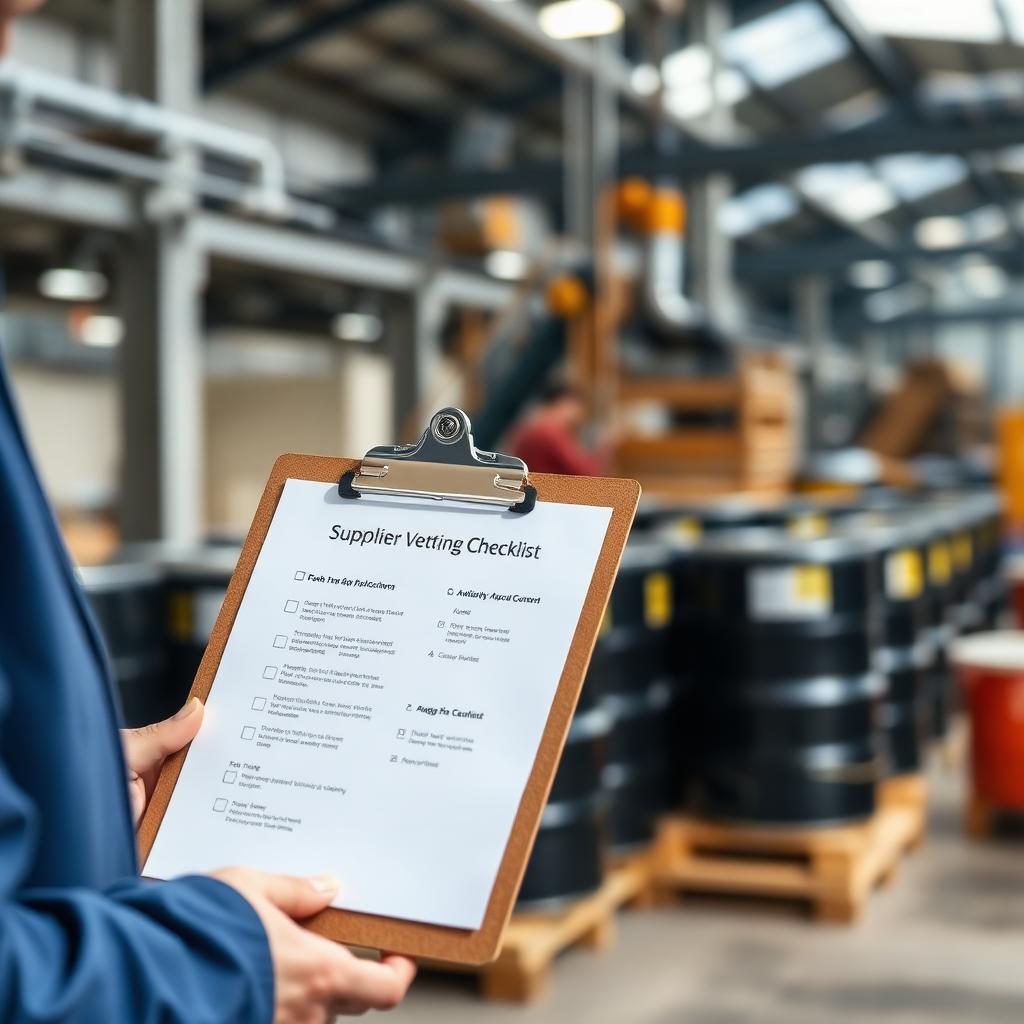
Every agrochemical importer eventually gets burned by the same pattern: a low quote from a supplier that looks fine on paper, a first shipment that lands with a mismatched COA, and a customs hold that costs ten times whatever margin the discount promised. Supplier vetting is the single highest-ROI activity in this business, and yet most buyers still rely on a two-page PDF profile and a WhatsApp chat. This checklist is the version WECON uses internally when evaluating any new manufacturer or trading partner — twelve questions that, answered honestly, tell you whether a supplier can actually serve a serious 2026 program.
Manufacturing and data integrity
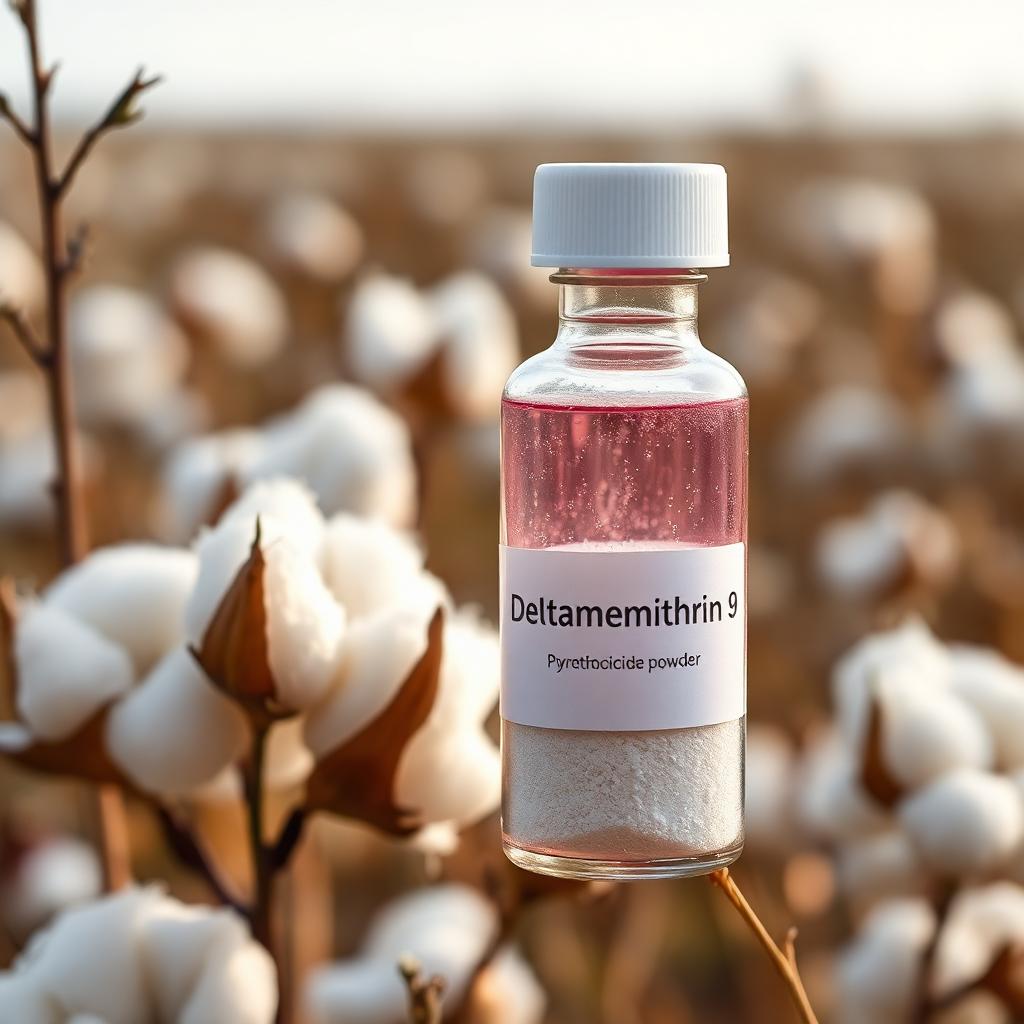
1. Who actually manufactures the TC? A supplier that cannot name the specific plant, city, and MEE (Ministry of Ecology and Environment) permit number is a trader with unknown upstream. That is fine for spot buys and fatal for registered products, where the dossier is tied to a named manufacturer. Ask for the plant name in writing, then cross-check it against the ICAMA registration database. For the molecules we ship most — lambda-cyhalothrin TC, imidacloprid TC, glyphosate TC — the plant identity should match the ICAMA record line by line.
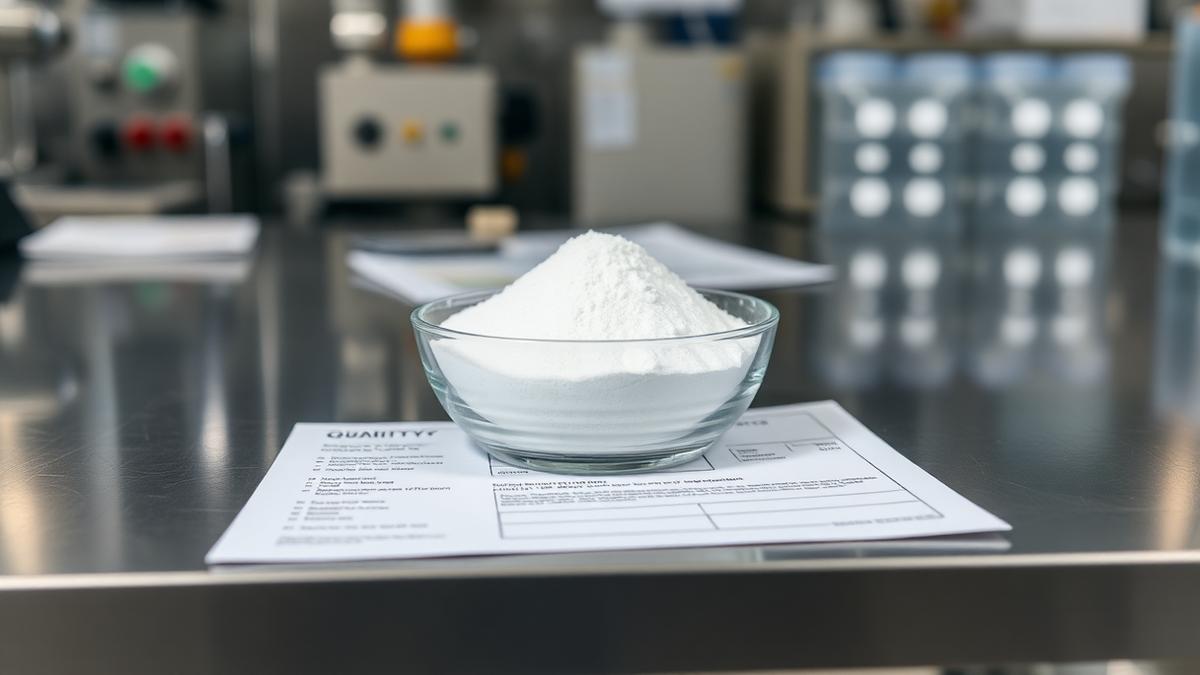
2. Show me your five-batch analysis. Every serious TC supplier can produce a five-batch analysis (active content, water content, pH, and — critically — every impurity above 1 g/kg) on demand. If it takes more than 48 hours, the supplier does not have controlled process data. If the impurity values are suspiciously identical across batches, they are fabricated.
3. What is your GLP toxicology package? For any molecule you intend to register in Turkey, the GCC, or the EU, the supplier must either own or license a full GLP tox/eco-tox data package (acute, sub-chronic, chronic, developmental, ecotox on bees, earthworms, fish, algae). Ask for the study titles, laboratory names, and completion dates. Cite-only strategies work in some markets, but a supplier that cannot produce study reports on request is one you cannot register with. See our companion piece on how pesticide registration actually works for how the dossier ties together end-to-end.
Documentation, logistics and pricing
4. Can you provide MSDS in Turkish and Arabic? Not translated by Google — reviewed by a regulatory affairs professional in the destination country. KKDIK, MEWA, and APC all reject non-compliant MSDS at the border. A supplier that ships one English MSDS to every customer is a supplier that has never actually cleared a Turkish or Saudi customs desk.
5. What is your minimum order quantity and what are your break points? A serious TC supplier has a defined price ladder — 1 MT, 5 MT, 20 MT, 40 FCL — with a documented discount structure. Suppliers who quote a single number regardless of volume are either building in fat margin or planning to make it up on the second shipment.
6. What are your Incoterms and who handles export documentation? FOB Dalian is not the same as CIF Istanbul with pre-cleared documentation. Ask specifically: who prepares the certificate of origin, the phytosanitary certificate (where required), the dangerous-goods declaration, and the container packing list? A supplier that expects you to handle all export docs from a Chinese port is a supplier that has never done it themselves.
7. What is your lead time from PO to sailing? Real answers are quoted in weeks, not vague ranges. "3–4 weeks for production, 1 week for consolidation, sailing on Wednesday from Dalian" is the shape of a real answer. "As soon as possible" is the shape of a broker.
Risk posture, insurance and disputes
8. What happens if a batch fails our incoming QC? A serious supplier has a written non-conformance policy: retest at an SGS or BV lab, replacement shipment terms, and a clear line on whether they cover freight for the replacement. Suppliers who refuse to write this down before the first order will not honour it after.
9. Do you carry product liability insurance and can I see the certificate? For any registered product intended for open-field use, this is table stakes. A copy of the insurance certificate (with named insured, coverage amount, and geography) takes ten minutes to send. Suppliers who cannot or will not send it are uninsured.
10. What is your position on parallel imports and territorial exclusivity? If you intend to build a market in Turkey, the Gulf, or a specific North African country, you need a supplier who will not undercut you six months later by selling the same TC to your neighbour at 5% below your basis. A written territorial understanding — even an informal one — protects the investment you are about to make in registration and distribution.
11. Who are your three largest customers in my region and can I speak to one? References in the same geography are the single most reliable signal available. A supplier that will not connect you to at least one existing customer either has none or has burned them.
12. What happens if there is a customs hold or a regulatory dispute? Ask specifically who at the supplier picks up the phone, in what time zone, and with what authority. A supplier who cannot name a regulatory affairs contact — with a direct phone number — is one who has never handled a real dispute.
How WECON scores against this checklist
We work directly with Yangnong Chemical and a short list of MEE-permitted tier-one manufacturers; we ship five-batch analyses with every TC quote, provide Turkish and Arabic MSDS aligned to KKDIK and MEWA formats as standard, and back every order with a written non-conformance policy and Middle East product liability cover. Turkish-market buyers can also read our detailed supplier hub for zirai ilaç tedarikçisi selection or browse our full insecticide TC catalogue and herbicide TC catalogue before running us through your version of this checklist. If you are re-evaluating your current TC supply for the 2026–2027 season, we welcome the audit.
Frequently asked questions
How long should a proper supplier audit take before the first PO?
Two to four weeks for a documentation-only audit (ICAMA record, MEE permit, five-batch analysis, GLP package, insurance, MSDS in the destination language, reference customer call). Add another two weeks for a physical plant visit or third-party audit at SGS/BV if the annual volume justifies it.
Do I really need to visit the factory in China?
Not for spot buys. For any registered product you plan to sell for more than one season, yes — either you or a paid third-party auditor should walk the plant, verify the specific reactor line for your molecule, and confirm the QC lab equipment is real. Traders can fake documents; they can't fake a reactor.
What is the single biggest red flag on a supplier profile?
Refusal or delay in sending a named five-batch analysis with real impurity values. Every serious TC manufacturer has this data on file and can email it within 48 hours. Anything longer means they either don't have controlled process data or are working through a trader.
Can WECON provide Turkish and Arabic MSDS aligned to KKDIK and MEWA?
Yes — every TC and formulation shipment leaves with MSDS reviewed by a regulatory affairs professional in the destination language and formatted to the local authority's requirements. That includes KKDIK in Turkey, MEWA in Saudi Arabia, MoCCAE in the UAE, and APC in Egypt.
What is a reasonable MOQ for TC in 2026?
For most pyrethroid and neonicotinoid TCs, 1 MT is a workable trial MOQ and 5 MT unlocks meaningful price breaks. Full-container economics start at 20–24 MT depending on drum size. Anyone quoting sub-1 MT of pure TC at a competitive price is almost always a trader repackaging bulk.
How does WECON handle a shipment that fails incoming QC?
Written non-conformance policy: retest at an agreed SGS or BV lab within 10 business days, replacement shipment on our freight if the retest confirms the failure, and — for registered products — a root-cause report from the manufacturing plant. This is contract terms, not goodwill.