Deltamethrin Technical Material: 2026 Supplier Guide, Purity Grades and Price Basis
TL;DR — Deltamethrin TC is the highest-potency pyrethroid in commercial use. This guide covers 98% and 99% grades, isomer purity, WHO-prequalified public health formats, ex-China FOB pricing and supplier vetting.
In this article
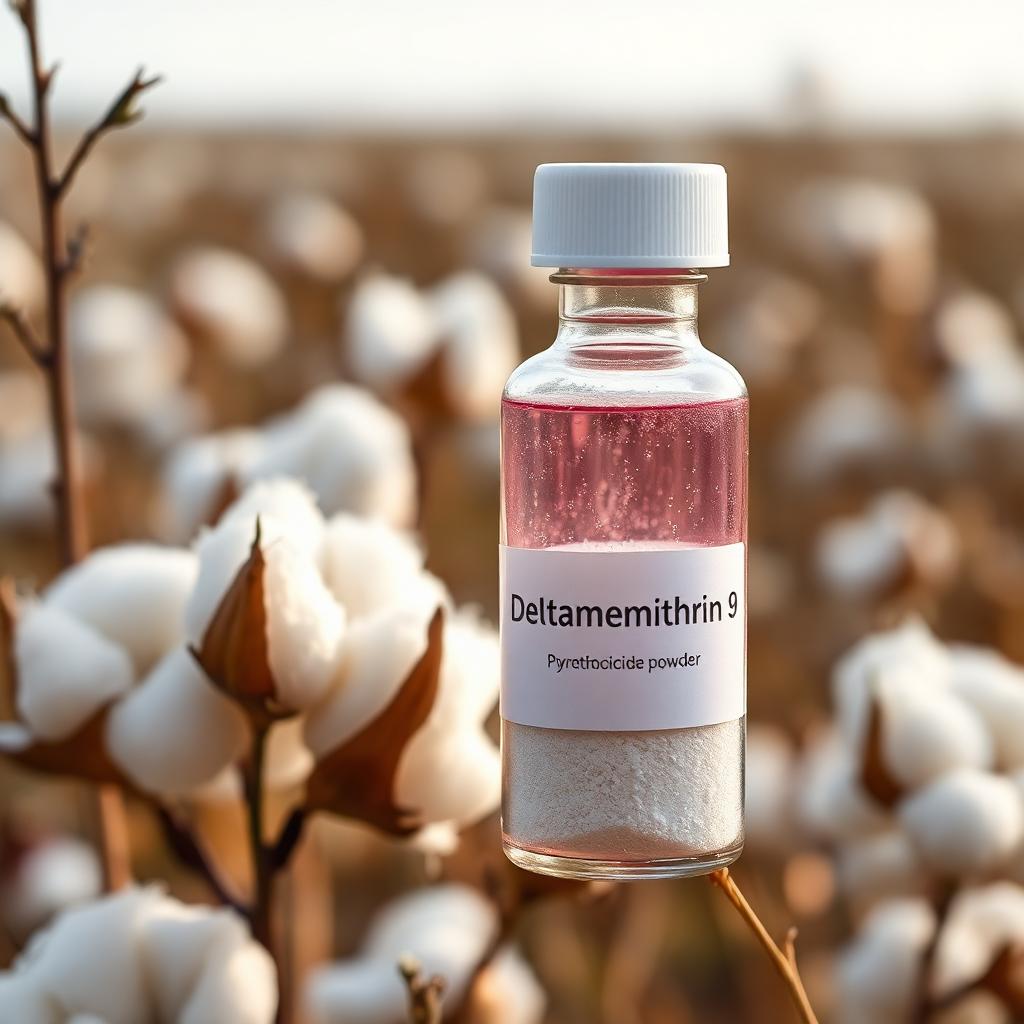
Deltamethrin is the most potent pyrethroid in commercial use — field rates of 5–12.5 g a.i./ha do work that requires 10 to 40 times more of most other insecticide classes. That potency is exactly why deltamethrin sourcing is unforgiving: at those use rates, a single isomer impurity or a half-point purity shortfall shows up as visible efficacy loss in the customer's field, not as a line in a certificate of analysis. This is a practical 2026 sourcing guide for distributors and formulators buying deltamethrin technical material out of China.
Purity grades and what the number actually means
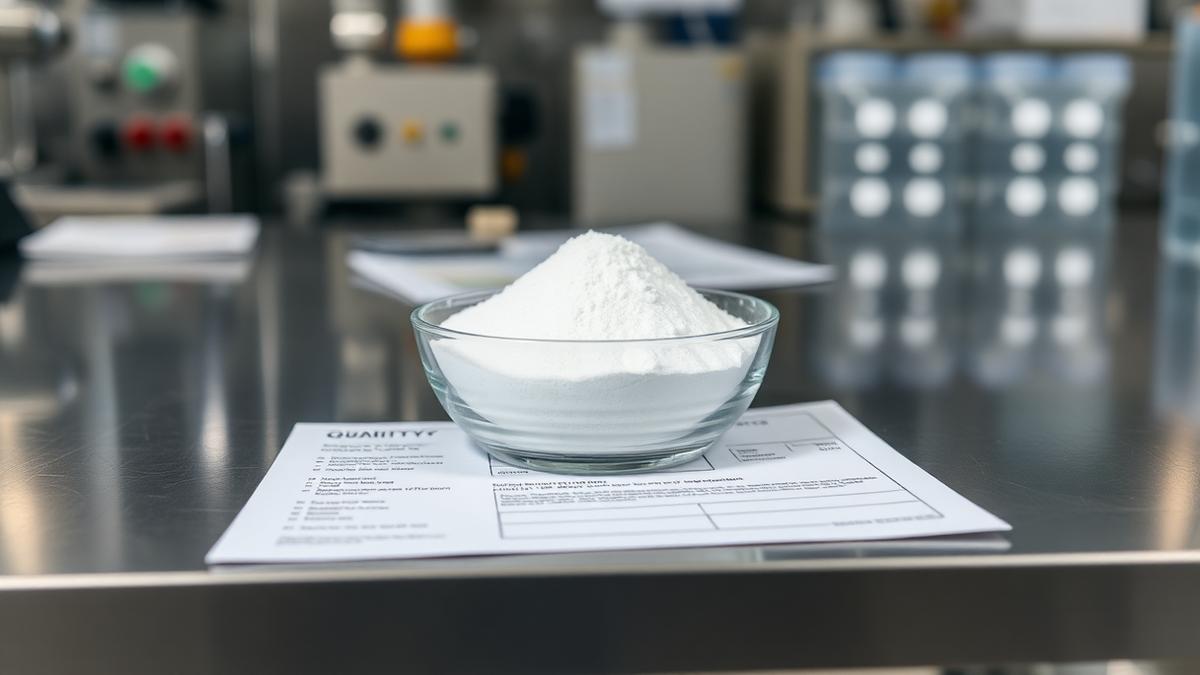
Chinese deltamethrin TC is offered at 98% and 99% minimum. The headline number is the easy part. Deltamethrin is a single-isomer molecule — (S)-alpha-cyano-3-phenoxybenzyl (1R,3R)-cis-3-(2,2-dibromovinyl)-2,2-dimethylcyclopropanecarboxylate — and what separates a tier-one plant from a broker's drum is the content of the other seven stereoisomers. A genuine 99% TC will show ≥ 98% of the active as the correct 1R-cis-alphaS isomer. Material that assays 98–99% total deltamethrin but carries 3–4% of the wrong isomers will underperform at label rate and will fail a serious registration dossier. Always ask for the isomeric purity line, not just total active.
Formulation fit
Deltamethrin TC feeds four formulation families. EC 25 g/L is the classic agricultural foliar spray for cotton, cereals and vegetables. SC 25 g/L and SC 50 g/L are the low-odour, low-solvent liquids that professional and residential pest control increasingly demand. WG 25% and WP 5% are the standard indoor residual spraying (IRS) formats for public health programmes. And the WHO-prequalified long-lasting insecticidal net (LLIN) treatments run deltamethrin at 55 mg/m². Each format pulls a different tolerance from the TC: SC formulations expose crystal habit and particle size, WG exposes residual solvent, and public health formats expose everything because the WHO specification is tighter than most agricultural registrations. See our public health insecticide actives page for the vector-control side of this.
2026 price basis
Q3 2026 ex-China FOB pricing for deltamethrin 98% TC sits at USD 78–92/kg, with 99% grade at USD 95–115/kg. Prices are up roughly 6–9% year-on-year on bromine feedstock cost and steady public health tender demand out of Africa and South Asia. CIF Istanbul or Mersin adds USD 1.20–1.80/kg on FCL volumes; CIF Jebel Ali is similar. Deltamethrin ships in 25 kg fibre or HDPE drums; MOQ for direct-from-plant pricing is 250 kg, with practical break-points at 500 kg, 1 MT and 5 MT annual programmes. Compare this against lambda-cyhalothrin TC, which trades far cheaper per kilo but runs at three to five times the field rate — the cost-per-hectare gap is much narrower than the price list suggests.
Registration and residue posture
Deltamethrin is approved in the EU (renewed through 2026 with ongoing renewal proceedings), fully registered in Turkey, the Gulf states, North Africa and across South Asia, and it is a WHO-recommended active for both IRS and LLIN vector control. Codex MRLs are established for all major crops. The practical registration friction is not approval status — it is dossier quality. Turkish and Gulf regulators now routinely request five-batch analysis including the isomer profile, a full impurity profile against the FAO/WHO specification, and a five-year accelerated stability study. A supplier who cannot produce those without a two-month delay will cost you a registration cycle. Our pesticide registration process guide breaks down what each dossier stage requires.
Supplier vetting specific to deltamethrin
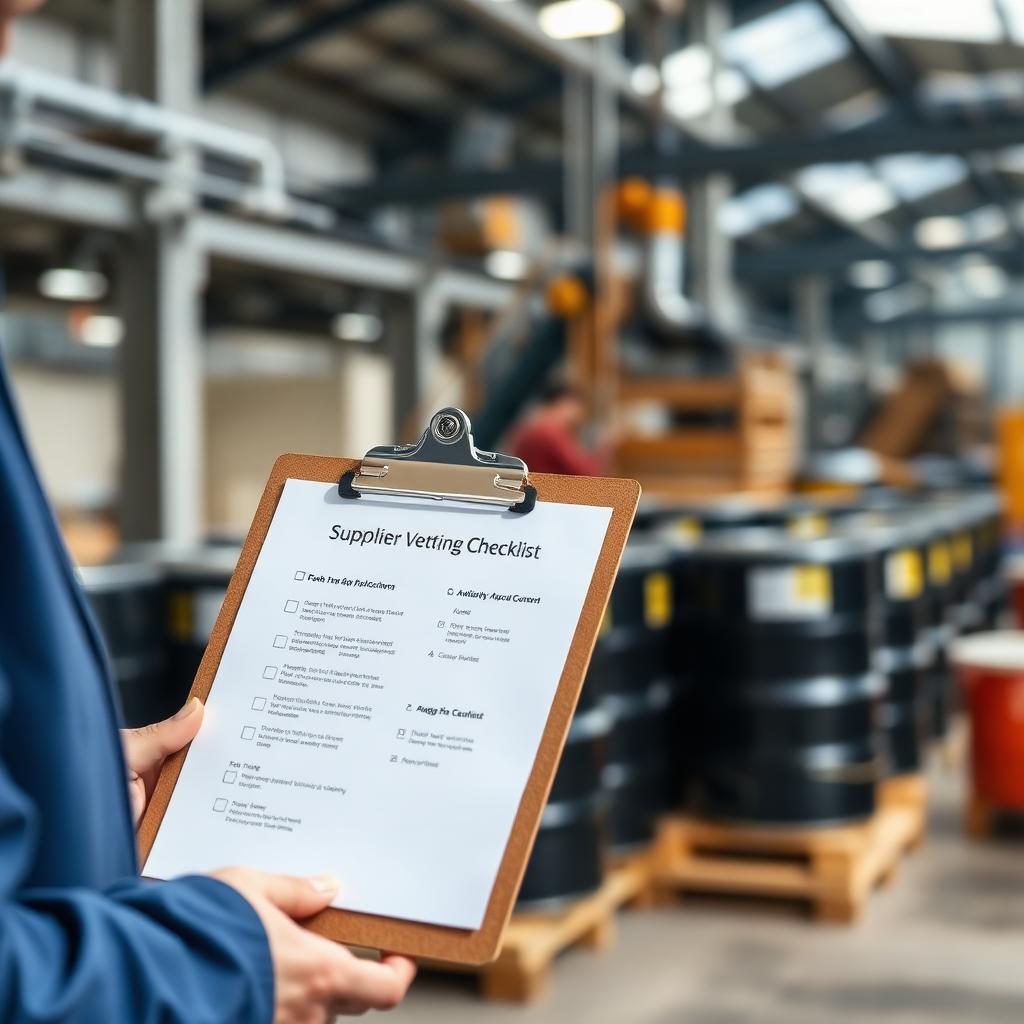
Three questions apply to deltamethrin beyond the standard checklist in our supplier vetting guide. First, is the plant synthesising from its own dibromovinyl intermediate or buying it in — in-house intermediate control is the single best predictor of isomer consistency. Second, can they provide the FAO/WHO specification impurity profile, not just an assay? Third, do they hold WHO prequalification for any public health format — even if you are buying for agriculture, a plant that has passed WHO audit is running a materially tighter quality system than one that has not.
Sourcing deltamethrin through WECON
We ship deltamethrin 98% and 99% TC and matched EC/SC/WG formulations from MEE-permitted tier-one Chinese pyrethroid plants, backed by five-batch analysis including full isomer profile, English/Turkish/Arabic MSDS, DG documentation for Class 6.1 ocean freight, and a written non-conformance policy. Send us your annual volume, target purity, formulation format and destination port through the supplier hub buyer guide and we will return a comparison quote within 24 hours.
Frequently asked questions
What is the difference between deltamethrin 98% and 99% TC?
Beyond the assay, the 99% grade carries a tighter stereoisomer profile — typically ≥ 98% of the active as the correct 1R-cis-alphaS isomer. For registered products in the EU, Turkey or Gulf markets, and for any WHO public health format, the 99% grade is the safer starting point. The 98% grade remains commercially viable for agricultural EC formulations in less regulated markets.
How much does deltamethrin technical material cost in 2026?
Q3 2026 ex-China FOB pricing is USD 78–92/kg for 98% TC and USD 95–115/kg for 99% TC, up 6–9% year-on-year on bromine feedstock cost. CIF Istanbul or Mersin adds roughly USD 1.20–1.80/kg on full-container volumes.
Is deltamethrin still approved in the EU?
Yes. Deltamethrin remains an approved active substance in the EU and is fully registered in Turkey, the Gulf, North Africa and South Asia. It is also WHO-recommended for indoor residual spraying and long-lasting insecticidal nets.
What is the minimum order quantity for deltamethrin TC?
MOQ for direct-from-plant pricing is typically 250 kg, shipped in 25 kg fibre or HDPE drums. Practical price break-points sit at 500 kg, 1 MT, and rolling annual programmes above 5 MT.
Deltamethrin or lambda-cyhalothrin — which is cheaper in use?
Deltamethrin costs far more per kilo but is applied at 5–12.5 g a.i./ha versus 10–25 g a.i./ha for lambda-cyhalothrin, so the cost-per-hectare gap is much narrower than the price list implies. Deltamethrin generally wins on public health and stored-product uses; lambda-cyhalothrin wins on broad-acre row crops.