Navigating Agrochemical Registration in Turkey: A Guide for Formulation Plants
TL;DR — From dossier prep to TAGEM approval — how formulation plants can compress timelines and stay compliant with Turkey's agrochemical framework.
Turkey remains one of the most strategically important agrochemical markets in the EMEA region. With a strong domestic formulation industry and a growing export footprint into Central Asia and North Africa, the country's regulatory regime — governed by the Ministry of Agriculture and Forestry (TAGEM) — has matured rapidly over the past three years.
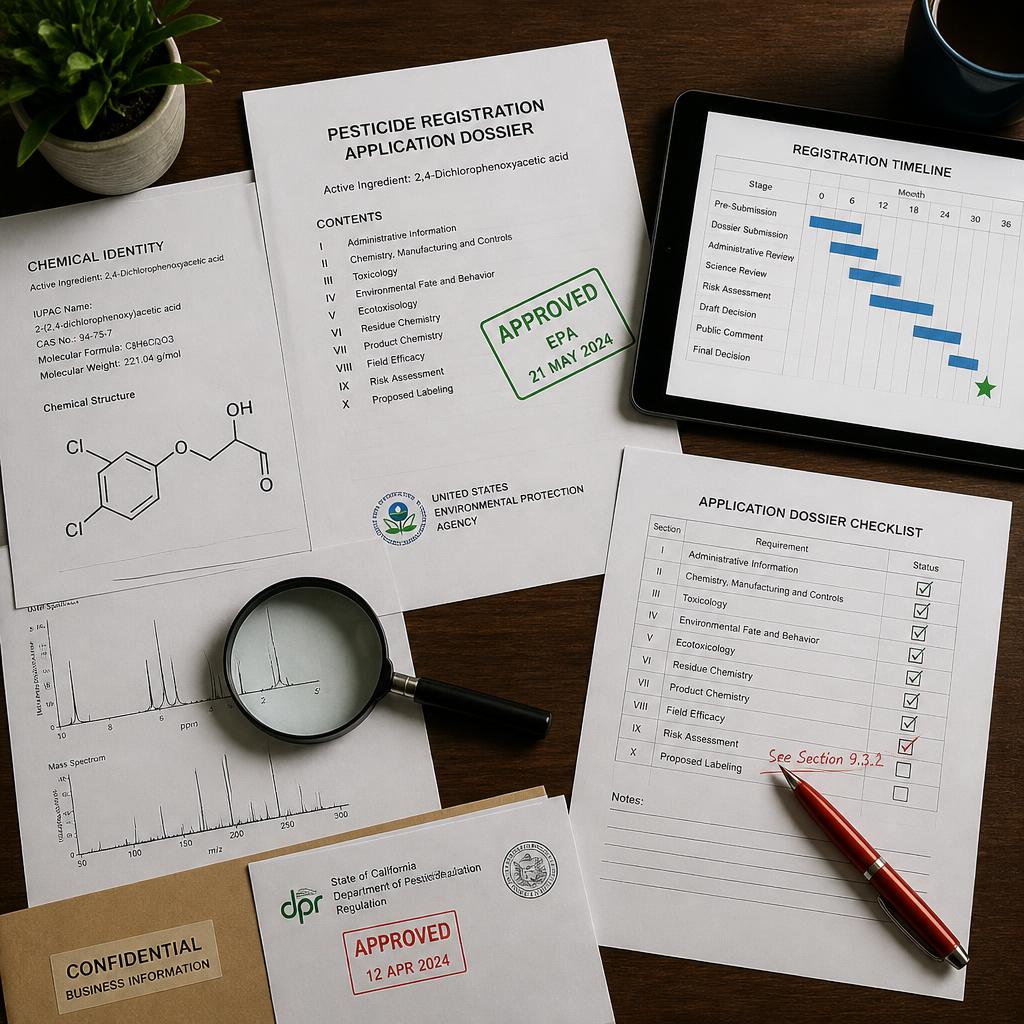
For formulation plants, the registration pathway begins with assembling a localised technical dossier: 5-batch analysis, impurity profile, MSDS in Turkish, and toxicology summaries that align with Turkish 5-OECD equivalency standards. Plants that source technical material directly from authorised manufacturers (such as Yangnong) typically shave 4 to 6 months off their submission timeline because COA and impurity data are already harmonised.
Common bottlenecks we observe include: outdated reference-product data, mismatched specifications between TC and formulation, and incomplete efficacy trial data for local crops. Engaging a partner with feet on the ground in China — and an active relationship with the technical manufacturer — collapses each of these into a single coordinated workstream.
WECON works alongside Turkish formulation plants from molecule selection through post-registration market entry, providing localised technical packages, registration-grade samples, and price hedging across multi-year supply contracts. The goal: a registered product on shelf, on time, at a defensible cost basis.