Turkey's Record Wheat Harvest: What It Means for Next Season's Fungicide and Seed-Treatment Sourcing
TL;DR — Turkey's wheat crop hit a record 23 million tonnes and TMO is tendering half a million tonnes for export. Full granaries mean a funded wheat programme next season — and a sourcing calendar that should not wait for spring.
In this article
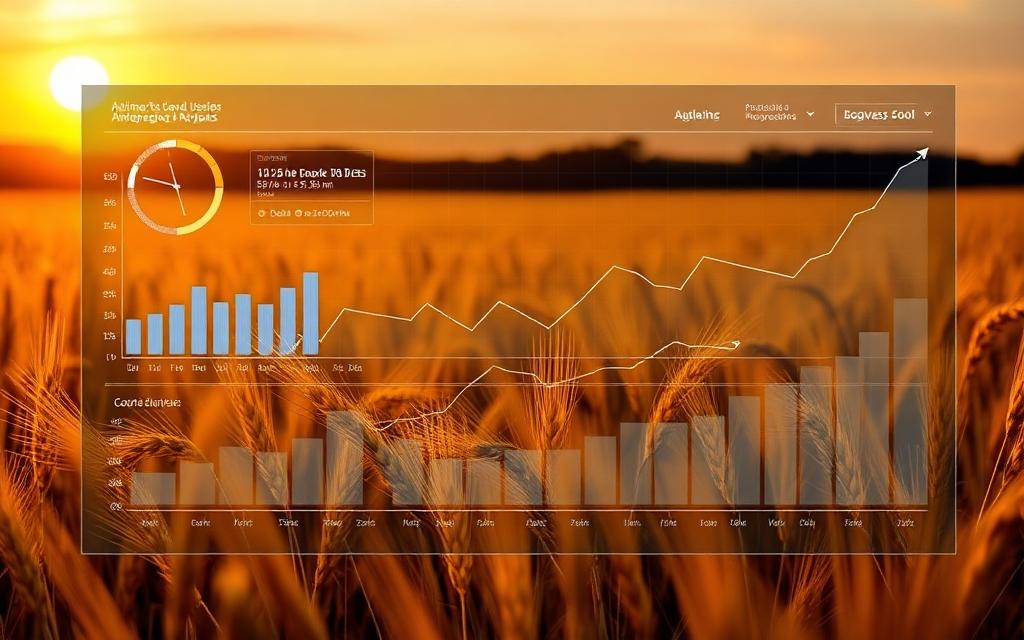
Turkey has just brought in the biggest wheat crop in its history. Production for 2026 is put at a record 23 million tonnes, with barley also setting a record at roughly 9 million tonnes. The state grain board, TMO, is sitting on stocks above 10 million tonnes and has flipped from buyer to seller: it tenders 400,000 tonnes of milling wheat for export on November 17 and a further 100,000 tonnes of durum on November 18. USDA expects Turkey's 2026/27 wheat imports to fall by more than half, to about 2.8 million tonnes. A country that spent years among the world's biggest wheat buyers is now clearing its granaries onto the world market.
A record crop gets planted twice
For anyone selling crop protection into Turkey, the harvest figure is only half the story. The other half is what a crop this size sets in motion. A large harvested area tends to be planted again, and growers who have just sold into a strong market have the cash to protect the next crop properly: seed goes in treated, and the fungicide programme — the flag-leaf spray that guards the yield of a wheat crop — gets funded rather than trimmed. Seed houses, treaters and formulators all feel that demand at the same time, and they feel it months before a sprayer enters the field.
The molecules behind the wheat programme
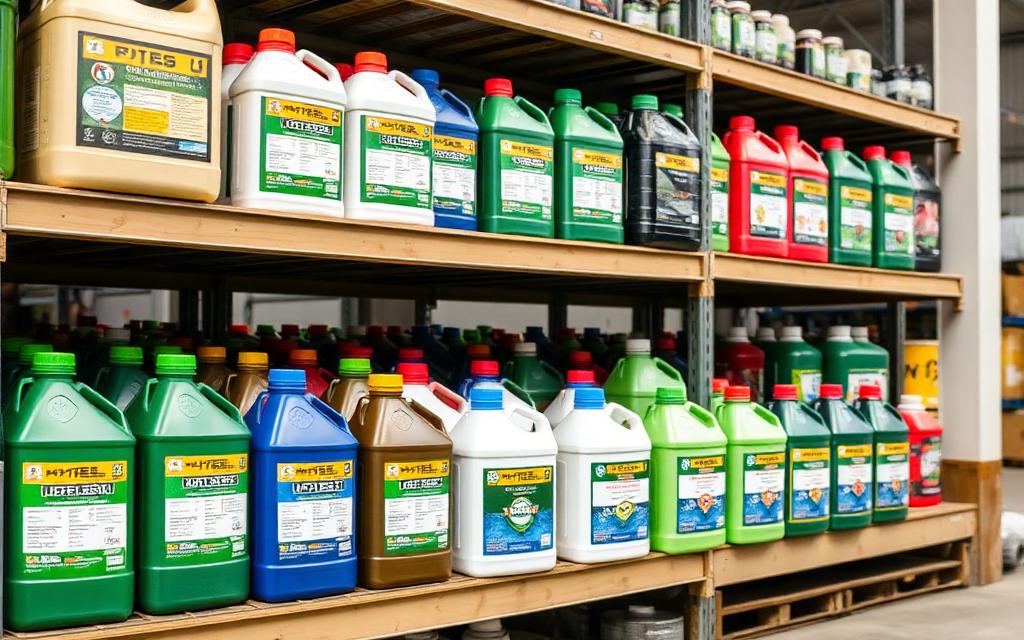
The technicals that carry a Turkish wheat season are a familiar set. On the fungicide side, the triazoles tebuconazole, propiconazole and difenoconazole do much of the work against rust and septoria, with azoxystrobin widely used alongside them. Seed treatment leans on thiamethoxam for early insect pressure, metalaxyl-M for seedling disease and fludioxonil as a broad seed-applied fungicide. Add 2,4-D, still a workhorse for broadleaf weeds in cereals, and you have the core of the list Turkish formulators and importers are pricing now for next season.
Why spring is the wrong time to start
Every year, some buyers wait for the season to open before they order. This year that habit carries an extra cost. When a record crop has just been sold, the whole chain orders at once: formulators book production slots, importers chase the same technical supply, and shipping windows tighten around the same few weeks. Count backwards from the spring application window instead. Production, export clearance and transit each take their share of the calendar, and a late technical does not care that your customers' wheat is ready.
Four checks before you commit
First, the registration file. Turkish registrations describe a named source and grade, and the data behind each item on your list has to match it. As we set out in our guide to where the registration file gets stuck, the availability of that data is confirmed item by item, never assumed. Second, documents: agree that the COA and MSDS travel ahead of the shipment, not after it. Third, the specification itself — active content, impurity profile, and isomer ratio where the molecule has one — checked against the registered grade rather than a catalogue page. Fourth, a delivery schedule written backwards from your formulation and sales window, with production and transit stated separately.
If wheat fungicides or seed-treatment technicals are on your list for next season, send us the molecules and quantities through our supplier hub. We will work through the specification, document and timing questions with you — while there is still room in the calendar to fix them.
Frequently asked questions
How large was Turkey's 2026 wheat harvest?
A record 23 million tonnes, with barley also at a record of roughly 9 million tonnes. TMO stocks rose above 10 million tonnes, and the board is tendering 500,000 tonnes of wheat for export in mid-November 2026.
Why does a record harvest matter for fungicide and seed-treatment demand?
A large harvested area is usually planted again, and growers coming off a strong sales year fund their crop protection properly — treated seed and a full fungicide programme — which pulls demand for technicals forward into the winter ordering season.
Which technical materials sit behind a Turkish wheat programme?
Fungicides such as tebuconazole, propiconazole, difenoconazole and azoxystrobin; seed-treatment products such as thiamethoxam, metalaxyl-M and fludioxonil; and 2,4-D for broadleaf weed control in cereals.
When should importers lock in supply for next season?
Well before spring. Work backwards from the application window and allow separately for production, export clearance and transit — and confirm the registration data behind each item, item by item, before the order is placed.