Importing Pesticide Technicals into Turkey: Where the Registration File Actually Gets Stuck
TL;DR — Turkey imports rarely stall on the product itself. They stall on the registration file behind it. A practical look at ruhsat data, item-by-item confirmation, and the season a paperwork gap can cost you.
In this article
Ask a Turkish importer where a shipment went wrong and you will rarely hear "the product". The product is usually fine. What goes wrong is paper: a data item the dossier needed that the source could not supply, a specification that did not match the registered one, a file that reached the ministry in the wrong shape. Turkey's registration system — the ruhsat — is thorough, and thorough systems punish assumptions.
This is the first of a short series on importing pesticide technicals into Turkey. It is not the full process; our registration guide for Turkey covers the official steps end to end. This piece is narrower: where the registration data itself becomes the bottleneck, and what to settle with your supplier before the material leaves China.
The product is the easy part
Technical material is manufactured to a specification, packed in drums and cleared with a standard set of trade documents. Any competent exporter does this every week. The registration file behind the product is a different object entirely. It is a collection of studies, analyses and authorisations that must describe the exact material from the exact source you intend to sell — and it is assembled over months, not days.
What sits inside the data package
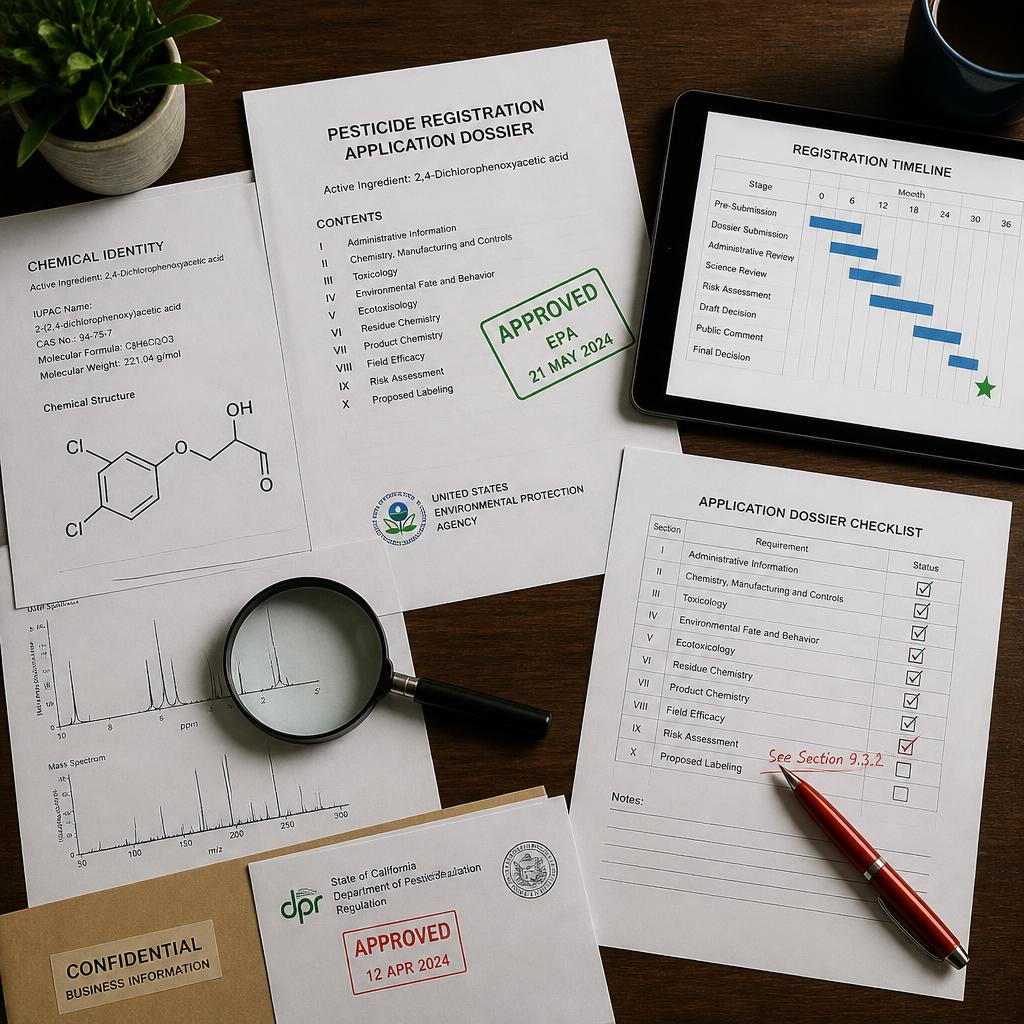
Line by line, a dossier typically draws on a five-batch analysis showing the material's composition across production runs, an impurity profile that names and quantifies what else is in the drum, physical and chemical property data, toxicology and ecotoxicology studies, and residue and efficacy work for the formulated product. Not every item is needed for every route into the market, and not every source holds every item. That variability is precisely the point. The question is never "do you have data?" — it is "which lines of my file can your source actually fill?"
There is a second layer buyers forget until it surfaces: the chemical-control side. Inventory notification and KKDIK obligations attach to the substance itself, independent of the product registration, and they run on their own deadlines. A supplier who understands only the product file will not warn you about the chemical file. Ask about both, early, and write the answers into the same checklist.
Why "confirmed item by item" is not a slogan
Suppliers who answer the data question with a general yes are usually describing a catalogue, not your source. Data rights attach to a specific manufacturer and a specific grade. A five-batch report from one plant does not describe another plant's material, and a study the supplier owns may not be a study you are licensed to cite. At WECON we confirm registration data item by item against the named source before an offer is written, because the alternative — discovering a gap after the deposit — turns a paperwork problem into a lost season. If a supplier will not walk the list with you, that is the answer.
Customs paper and the season you can lose
The second place imports stall is the border. Specification, COA and SDS must agree with each other and with the registered identity of the material; a mismatch between the name on the invoice and the name in the file invites sampling, analysis and delay. Turkey's planting calendar does not wait for a laboratory queue. Material that misses its formulation window is not sold late — it is sold next year, at next year's prices, after a year of storage cost. The compliance changes covered in our B-Recete and KKDIK update have made document discipline even less optional.
A short checklist before you sign
Settle four things in writing before a deposit moves. First, the exact registered identity of the material, including isomer profile where the active has one, as with cypermethrin TC. Second, the list of data items available from the named source and your right to use them. Third, the document set that will travel with the shipment, checked against your broker's requirements. Fourth, a delivery schedule that works backwards from your formulation and sales season, with the production, export and transit legs stated separately. None of this is exotic. It is simply cheaper in November than in March.
Importing into Turkey rewards buyers who treat the file as part of the product. If you are building a dossier for the coming season and want a source checked against it, send the molecule and your data list through our supplier hub. We will go through it line by line and tell you plainly which lines we can fill.
Frequently asked questions
What is a ruhsat in Turkey?
Ruhsat is the marketing registration granted by Turkey's Ministry of Agriculture and Forestry for a plant protection product. The technical material behind the product must match the identity and data in the registration file.
Which registration data items matter most for a technical import?
Typically the five-batch analysis, impurity profile, physical-chemical data and the toxicology package for the named source. Which items a given source can supply — and let you cite — is confirmed item by item.
Can data from one manufacturer support a registration for another's material?
Generally no. Registration data describes a specific source and grade. A report from a different plant does not automatically describe or cover your material.
When should data availability be confirmed?
Before the commercial offer is signed — ideally before a deposit is paid. A gap found after shipment can delay clearance and formulation past the selling season.