Importing Pesticide Technicals into Egypt: Registration, ACID and the Paperwork That Decides the Shipment
TL;DR — Egypt does not stop pesticide technicals at the port. It stops them twice — once on the registration file, once on the cargo declaration. Get both gates right and the shipment moves; miss either and the container sits.
Ask an Egyptian formulator what delayed their last shipment and the answer is rarely the product. The drums were fine. The specification was fine. What held the container was paper — a registration file that did not match the material in the drums, or a cargo declaration that went in late. Egypt runs two gates for pesticide technicals, and they do not talk to each other. You have to satisfy both.
Two gates, not one
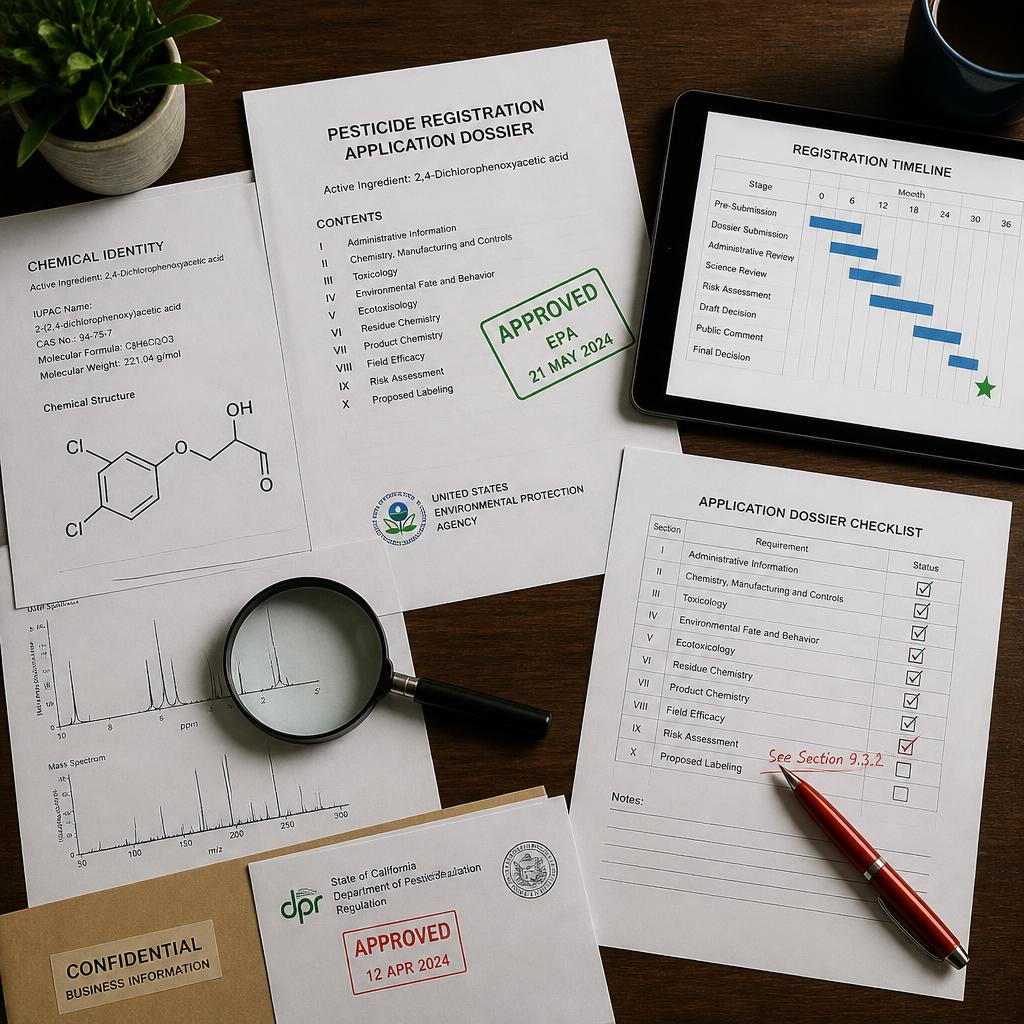
The first gate is registration. Pesticide products in Egypt are registered with the Agricultural Pesticides Committee, the APC, under the Ministry of Agriculture and Land Reclamation. A technical grade active ingredient needs its own registration before it can be imported for formulation, and the file behind it is specific to the source: the manufacturing site, the specification, the batch analysis, the toxicology and residue data that support it. A registration that names one manufacturer's material does not automatically cover the same molecule from another plant. That is the detail that catches first-time importers — they buy the molecule and forget they bought a source.
The second gate is customs, and it starts before the cargo sails. Egypt runs the Advance Cargo Information system, ACI, on the NAFEZA platform. Before loading, the importer obtains an ACID number — the Advance Cargo Information Declaration — and the exporter files the cargo data against it through CargoX. No ACID, no loading. The number has to be on the shipping documents, and the data filed has to match the goods. It sounds administrative, and it is, until a mismatch parks a container at Alexandria or Damietta while demurrage ticks.
Where shipments actually get stuck
In practice the delays cluster in four places. The first is the specification. The CoA that travels with the shipment has to read like the specification in the registration file — same active content, same impurity limits, same source. A CoA from a different plant, or a batch that drifts outside the registered limits, gives customs and the registration authority a reason to stop the file and ask questions. The second is the importer registration itself. The importing company has to be registered with the General Organization for Export and Import Control, GOEIC, and the product has to sit inside the scope of what that company is allowed to import. The third is labelling and documents. Commercial invoice, packing list, certificate of origin, CoA — and the details have to agree with each other. A weight on the packing list that does not match the bill of lading is a small error with a long tail. The fourth is timing. ACI data has to be filed before loading, and registration renewals have their own calendar. A file that lapses a week before the vessel arrives is not a paperwork problem; it is a missed season.
None of this is exotic. It is the same discipline as any other import market, with two local features: the ACID step is genuinely a precondition, not a formality, and the registration file is tied to a named source. Treat both as part of the purchase, not as an afterthought to it.
A short checklist before you book
Start with the registration. Confirm the technical is registered for the exact source you are buying, and that the registration is current for the whole period the goods will be in transit and in the warehouse. Ask for the specification the registration rests on, then compare it line by line with the CoA of the batch you are offered. Confirm the importer registration and the ACID process in writing with your customs broker before the cargo is loaded — who files what, and by when. And work backwards from the formulation schedule, not forwards from the order date: production, export clearance, transit, customs, and the registration check each take their own time, and the season does not wait for any of them.
Egypt is a serious market for technical materials — large cotton, vegetable and fruit sectors, and formulators who know what they want. The buyers who do well there are not the ones with the sharpest price. They are the ones whose file is complete before the vessel sails. If you are lining up a shipment, send us the molecule and the source and we will work through the specification, document and timing questions with you — while there is still room in the calendar to fix them. Start with our supplier page or read how registration data works for technicals and where Turkey's import file gets stuck for comparison.
Frequently asked questions
What is an ACID number in Egypt?
The Advance Cargo Information Declaration number, issued through the NAFEZA platform before cargo is loaded. The exporter files cargo data against it via CargoX, and the number must appear on the shipping documents.
Who registers pesticide technicals in Egypt?
The Agricultural Pesticides Committee (APC) under the Ministry of Agriculture and Land Reclamation. Registration is tied to a named manufacturing source, so the same molecule from a different plant is a different file.
What documents does a technical shipment to Egypt need?
At minimum a commercial invoice, packing list, certificate of origin and a certificate of analysis for the batch, with the details consistent across all of them, plus the ACID number on the shipping documents.
What most often delays a pesticide technical shipment to Egypt?
A CoA that does not match the registered specification, an ACID filing made late or with mismatched data, or a registration that has lapsed before the cargo arrives.