China Crop Protection Export Volumes Fall 15% — Why Weak Global Demand Is a Buying Window
TL;DR — Jefferies reports Chinese crop protection export volumes down 15% year on year, ending 2.5 years of rapid growth — even as wheat, soybean and corn prices rose up to 30%. Counter-intuitively, soft demand plus firm costs makes now a strategic buying window.
In this article
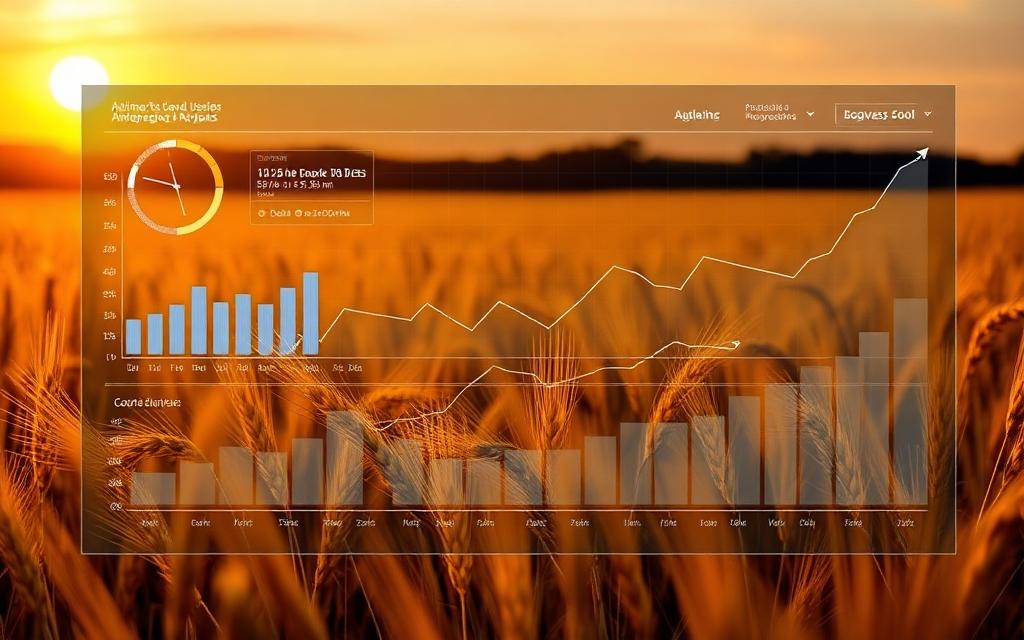
Jefferies' India Chemicals September-2026 preview contains the number every agrochemical buyer should sit with: Chinese crop protection export volumes fell 15% year on year in the quarter to date, a sharp decline after roughly two and a half years of rapid growth. The demand side looks equally soft — subdued monsoon conditions in India, heat waves in overseas markets, and downstream buyers purchasing strictly need-based. And yet crop prices are booming: wheat +30%, soybean +22%, corn +19% year on year, driven by Black Sea supply disruption and Middle East conflict.
The demand gap will not last
Historically, agrochemical demand follows crop prices with a lag of one to two seasons: farmers spending on crop protection is funded by the previous harvest's revenue. A 30% wheat price with weak pesticide demand is an unstable combination. When planting decisions for the next season are made against these crop prices, input demand recovers — and it will meet a supply side that has spent the weak period consolidating, as our glufosinate licensing analysis describes. Buyers who wait for demand recovery to be obvious will be buying into the price response, not ahead of it.
What soft demand means right now
For importers, a soft export market has concrete advantages today: producers are more willing to talk about payment terms, MOQ flexibility and OEM runs; lead times are shorter; and there is room to negotiate on non-price terms that disappear in a tight market. Combined with firm cost floors — see our glyphosate price update — the current window is arguably the best risk-adjusted buying position since the last upcycle began.
Three moves for importers in Q4 2026
First, qualify your supply base now: use the quiet market to audit producers, collect five-batch analyses and run sample programmes, so your supply chain is proven before the next demand wave. Our supplier vetting checklist is the framework. Second, lock core molecules at current levels — acetamiprid, lambda-cyhalothrin, cypermethrin, glyphosate — with split shipments to manage inventory cost. Third, use the window for OEM development: factories with idle capacity give private-label projects more attention and faster sampling than they will in a boom. See our OEM manufacturing guide for the full process.
WECON's view
WECON is a Hong Kong procurement and trading company connecting Chinese supply resources with B2B buyers. Send your specification, quantity, destination and document needs through the buyer guide. Manufacturer, grade, availability, document scope, sample conditions and delivery stages require written source-specific confirmation.
Frequently asked questions
Why did Chinese pesticide exports fall 15%?
Jefferies attributes the decline to weak global demand: subdued monsoon conditions in India, heat waves in key overseas markets, and downstream buyers purchasing only what they immediately need after 2.5 years of rapid export growth. It is a demand pause, not a supply problem.
Crop prices are up 30% — why is agrochemical demand still weak?
Agrochemical demand follows crop prices with a lag of one to two seasons, because farmers fund input purchases from the previous harvest's revenue. The current gap between high crop prices and weak input demand is historically unstable and typically resolves into a demand recovery.
Is now a good time to buy pesticides from China?
Counter-intuitively, yes. Soft export demand means better payment terms, MOQ flexibility, shorter lead times and more factory attention for OEM projects — while firm feedstock costs limit further price downside. Buyers who wait for obvious demand recovery usually buy into the price response instead of ahead of it.
Which molecules should importers prioritise for 2027 programmes?
Core high-turnover actives first: acetamiprid, lambda-cyhalothrin, cypermethrin, deltamethrin and glyphosate for crop protection, plus permethrin and tetramethrin for public-health lines. Locking these at current levels with split shipments balances price security against inventory cost.