Growtech 2026: Five Questions to Ask a Technical Material Supplier Before You Talk Price
TL;DR — Growtech 2026 opens November 24 in Antalya. Before you collect prices, run these five questions: spec and isomers, batch documents, registration data, the real delivery window, and packing in writing.
In this article
Discuss your active ingredient, specification, quantity and destination.
Request a sourcing quoteGrowtech opens next Tuesday, November 24, at ANFAŞ in Antalya, and runs through Friday the 27th. If you buy technical materials for a living, you know the rhythm of these four days: a wall of booths, a pocket full of business cards, and a notebook of prices that all look suspiciously similar. The price is the easiest thing to collect at a fair. It is also the least useful number to bring home if the five questions behind it never got asked.
A technical material is not a commodity in the way a bag of fertiliser is. Two drums carrying the same active name can differ in isomer profile, impurity load and the paperwork that travels with them — and those differences decide whether the material can be registered, formulated and sold in your market. The buyers who use Growtech well treat it as an audit with better coffee. Here is the checklist they run before anyone mentions money.
1. Which spec, exactly — and which isomer?
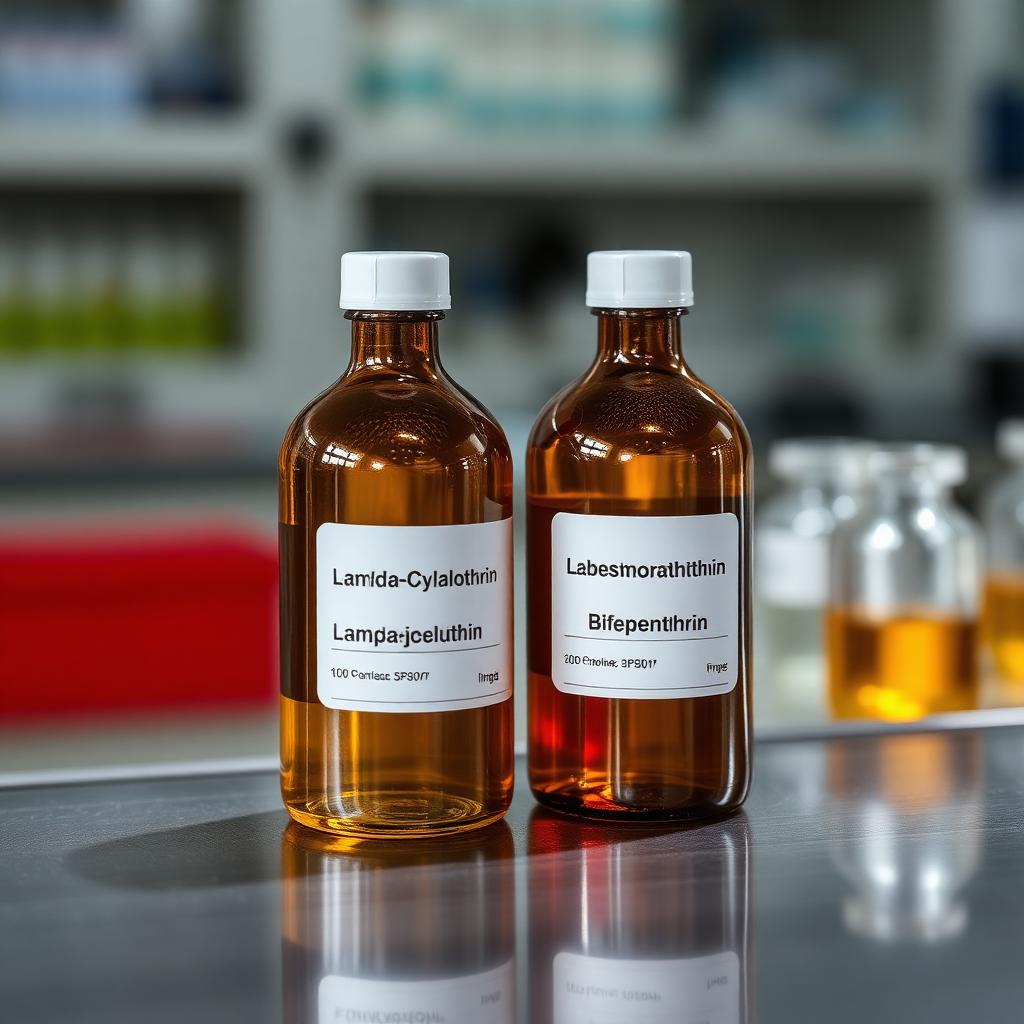
Start with identity. "Cypermethrin 95%" is a starting point, not a specification. Ask which isomer ratio the figure hides, what tolerance applies, and which analytical method produced the number on the sheet. With pyrethroids this is not pedantry: permethrin TC at a 25:75 cis:trans ratio is a different purchasing decision from a 40:60 material, and ordinary tetramethrin is not the same product as its d-isomer forms. If the person at the booth cannot answer, write that down too. Silence is information.
2. Can I see the COA and MSDS for this source?
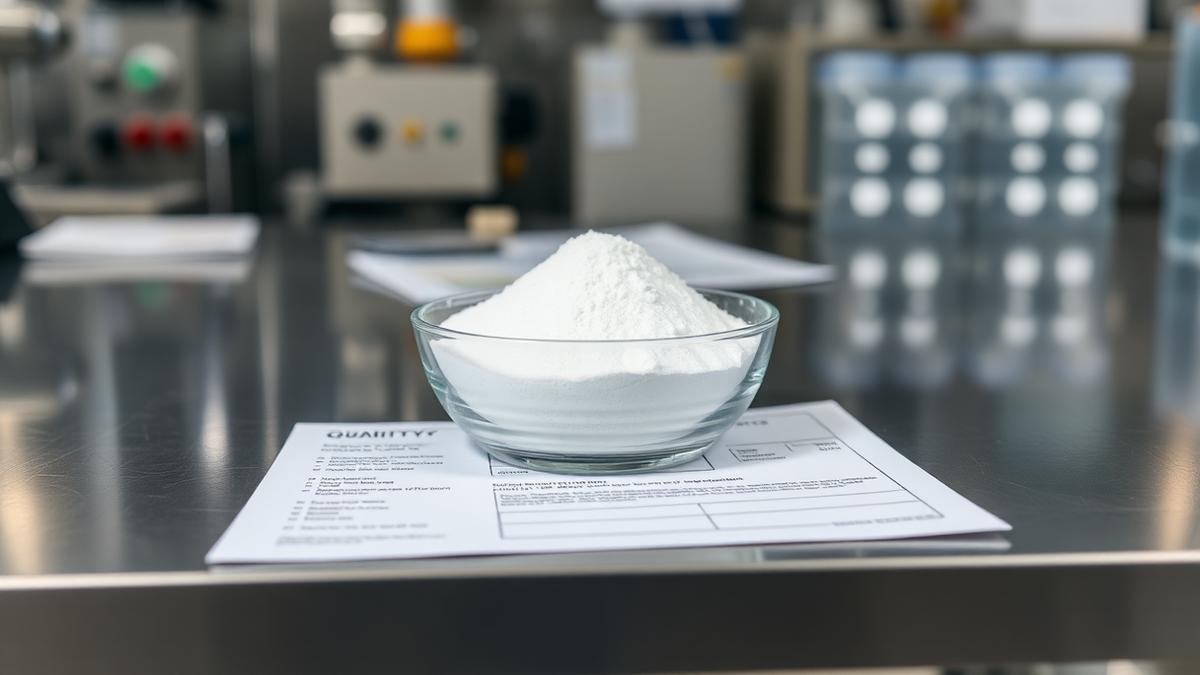
Every supplier has a sample COA. Fewer can show you one that names the actual manufacturing source and a recent batch. Ask whose name is on the document, when the batch was produced, and whether the COA in your hand is the batch you would receive or a representative one. The same applies to the SDS: it should belong to the same source and grade, in a language your warehouse and your customs broker can work with. Documents promised "after the contract" have a habit of arriving different.
3. What registration data exists — item by item?
If the material is headed for a registration file, this is the question that saves you a season. Ask which data items exist for this specific source — five-batch analysis, impurity profile, toxicology package — and which of them you are actually allowed to use in your dossier. Expect the honest answer to be a list, not a blanket yes. At WECON we confirm registration data item by item for exactly this reason: a dossier is built line by line, and a missing study discovered in month three costs far more than a straight answer at a trade fair. Our Turkey registration guide walks through how that file is assembled.
4. What does the delivery window really look like?
A lead time quoted at a booth usually covers one leg of the journey. Separate it: production or release readiness, export preparation, ocean transit to Mersin or Istanbul, and customs clearance at the other end. Then work backwards from your season. A formulator who needs material on the shelf before spring application does not have a price problem in November — he has a calendar problem. Ask what happens to the schedule if the first vessel is missed. The answer tells you how the supplier thinks.
5. Packing and MOQ — in writing
Drums or bags, 25 kg or 200 kg, palletised or not: packing decides your warehousing, your handling in production and sometimes your registration, because the pack on the label is the pack that was tested. MOQ matters the same way. A trial quantity that lets your laboratory and your registration team work in parallel is worth more than a small discount on a full container you cannot clear. Get both into the written offer, not the chat thread.
None of this slows a negotiation down. In our experience it speeds one up, because the offers that survive these five questions can actually be compared with each other. If you are walking ANFAŞ next week and want to run the checklist against a live case, the WECON team will be in Antalya during the fair and is happy to sit down — bring the molecule you are struggling with, and we will go through its spec and document status together. Not travelling this year? The same five questions work by email: send them through our supplier hub and hold every bidder, us included, to the same standard. Our supplier vetting checklist turns the questions into a one-page scoring sheet.
Frequently asked questions
When and where is Growtech 2026?
Growtech 2026 runs from Tuesday, November 24 to Friday, November 27 at the ANFAŞ Expo Center in Antalya, Turkey.
Why ask about isomer ratios at a trade fair?
Because the active name alone does not define the material. Isomer composition affects registration identity and formulation behaviour, and two offers at the same nominal purity may not be interchangeable.
What registration data should I ask a technical supplier about?
Ask which items exist for the specific source — such as five-batch analysis, impurity profile and toxicology data — and which you may cite in your own dossier. Availability is confirmed item by item, not as a blanket promise.
Can I meet WECON at Growtech 2026?
Yes. Our team will be in Antalya during the fair week and can meet by appointment. Send your molecule, specification and quantity through the supplier hub and we will arrange a time.